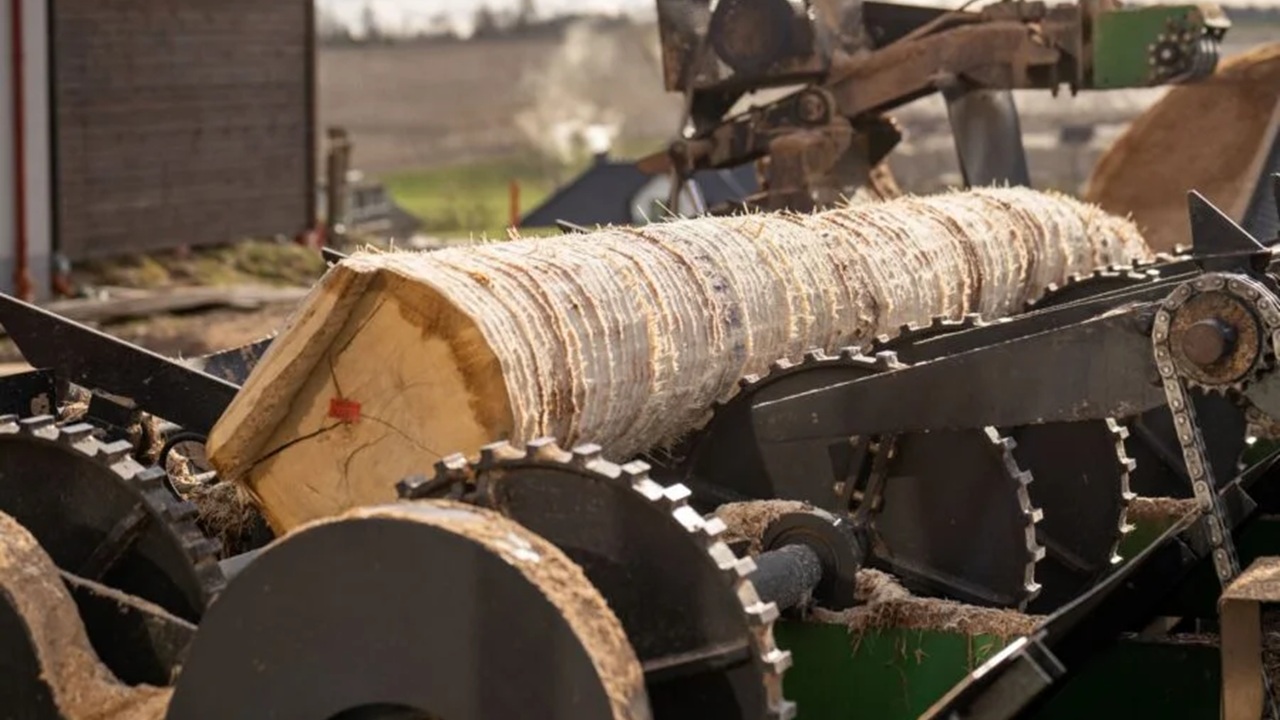
One of the initial processes in most of the wood processing is the log debarking. Debarking is a process that is employed to strip off the rough outer layer of logs before the cutting or shaping process can take place. This will assist in maintaining the cleanliness of machines and their extended usage. The new debarking techniques are more concerned with efficient work, reduced waste, and safer outcomes. This process requires the equipment of JYF Machinery in many facilities. These tools help in the controlled peeling of the bark during extended working hours.
Why Debarking Is Needed Before Processing
Bark often carries dirt, sand, and small stones from the forest ground. These materials can harm saws and cutters during later stages. Removing bark early helps protect cutting equipment from fast wear. Clean logs also move better through machines. Debarking helps prepare logs for smooth and steady processing work.
Traditional Debarking Methods Over Time
In the past, workers removed bark by hand using simple tools. This method required heavy effort and much time each day. Hand debarking also led to uneven results across log surfaces. As demand grew, machines replaced manual work in many places. These machines offered faster and more even bark removal.
Ring Debarkers in Modern Facilities
Ring debarkers are common in many wood plants today. Logs pass through a rotating ring that strips bark away evenly. This method works well for straight logs of similar sizes. Ring debarkers offer steady output during long production shifts. Tools from JYF Machinery help support this steady operation.
Drum Debarkers for Large Volumes
Drum debarkers use a large rotating drum to remove bark. Logs tumble inside while rubbing against each other. This action loosens bark without serious damage to wood. Drum debarkers suit high-volume operations well. They handle mixed log sizes with consistent results.
Role of Wear Tools in Debarking Machines
Debarking machines rely on parts that touch logs directly. These parts face constant contact with bark and dirt. Over time, surfaces wear down and lose effectiveness. Wear tools from JYF Machinery are designed for long use. Strong wear parts help keep bark removal steady.
Importance of Even Bark Removal
Uneven debarking leaves patches of bark on log surfaces. These patches can cause problems in later cutting steps. Even bark removal helps saws cut cleanly and smoothly. It also reduces leftover waste inside machines. Modern tools aim to keep bark removal consistent across each log.
Handling Different Log Sizes
Logs arrive at plants in many sizes and shapes. Debarking machines must adjust to these differences easily. Modern methods allow machines to handle varied log diameters. Adjustable parts help maintain proper contact with log surfaces. This flexibility supports stable production throughout each workday.
Reducing Wood Loss During Debarking
Good debarking removes bark without cutting into usable wood. Deep cuts can waste valuable material. Modern methods focus on gentle but firm bark removal. This balance helps keep wood loss low. Proper tool design plays a key role in this process.
Cleaner Work Areas and Safety
Loose bark can fall onto floors and walkways. This creates slipping risks for workers nearby. Effective debarking removes bark early in the process. Less bark reaches later work areas as loose waste. Cleaner floors support safer daily operations.
Energy Use in Debarking Processes
Machines use energy to rotate, press, and move logs. Poor debarking can increase resistance during cutting steps. Clean logs pass through machines with less effort. This helps reduce overall energy demand. Efficient debarking supports smoother energy use across facilities.
Maintenance Needs and Planning
Debarking machines need regular inspection and care. Worn parts can reduce bark removal quality. Modern tools are designed for easier replacement. Planned maintenance helps avoid sudden breakdowns. Steady care supports longer machine life.
Supporting Downstream Processing Steps
Debarked logs move to sawing, chipping, or peeling stages. Clean surfaces help these machines work better. Less dirt reaches blades and cutters downstream. This supports better product quality overall. Good debarking sets a strong foundation for later work.
Environmental Considerations in Debarking
Bark removed during debarking often becomes waste material. Some facilities reuse bark for fuel or soil cover. Modern methods aim to separate bark cleanly. Cleaner bark waste is easier to reuse responsibly. This supports better material use practices.
Conclusion
Modern log debarking methods focus on clean results and steady machine operation. Removing bark early protects equipment and improves wood quality. Ring and drum debarkers handle different production needs effectively. Wear tools from JYF Machinery support consistent bark removal during long use. Even debarking helps reduce waste, energy use, and safety risks. Together, these methods help wood processing stay efficient and reliable.