Most distributors I’ve spoken with in the personal care space have a version of the same problem. They carry toothpaste, toothbrushes, and some form of mouthwash. They’ve got the basics covered. But somewhere in the range, there’s a gap they can’t quite fill — a purchase occasion their current lineup doesn’t address, a channel that doesn’t work well with the products they already stock, or a price point they can’t hit without stepping on something else they carry.
Mouth spray keeps coming up as the answer to that gap. Not because it’s a glamorous category, but because it fits cleanly into spaces the other oral care formats can’t reach.
The Purchase Occasion That Toothpaste and Mouthwash Miss
Toothpaste is a home product. So is mouthwash, in its conventional bottle form. Both are bought in advance, used at home, and replenished through grocery or pharmacy trips. The behavioral pattern is stable and predictable, which is part of why they’re the core of any oral care distribution portfolio.
But there’s a freshening occasion that happens throughout the day — after coffee, after lunch, before a meeting — that neither of those products serves. Mints and gum have historically owned that space. Mouth spray is a functional upgrade on both: it delivers active ingredients rather than just flavor, it doesn’t require chewing, and it’s faster and more discreet than anything involving a container and a sink.
Distributors who’ve added a mouth spray SKU to their oral care range are often surprised by where it starts selling. It doesn’t cannibalize toothpaste or mouthwash volume because it doesn’t replace either. It captures a different moment entirely.
Channel Fit: Where Mouth Spray Goes That Bottles Can’t
The formats that dominate traditional oral care distribution — large bottles, multi-pack tube packaging — work in grocery and pharmacy. They don’t work particularly well in travel retail, convenience, specialty wellness, or the smaller-format retail environments that have been growing faster than traditional channels.
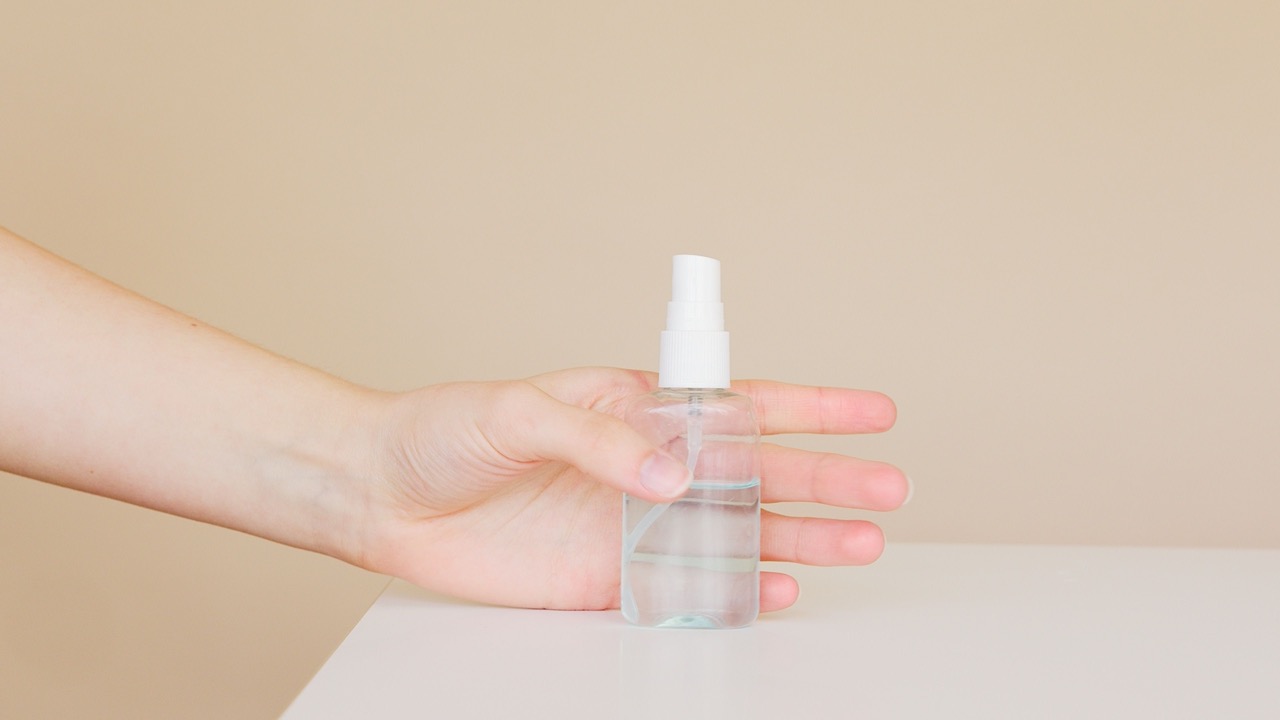
Mouth spray is sized for those environments. A 15ml pump fits on a countertop display, a travel retail rack, a checkout placement, or a subscription box. It doesn’t need the shelf depth that a mouthwash bottle requires, and the unit economics at the retail level allow for pricing that makes sense in premium convenience settings.
For a distributor that’s trying to extend its oral care reach beyond core pharmacy and grocery, mouth spray provides a format that opens doors the rest of the portfolio can’t. It’s not about replacing existing placements — it’s about accessing new ones.
Customer Overlap Without Cannibalization
One practical advantage of mouth spray for a distributor is that it sells to the same retail customer relationships you’re already working, without competing with what you’re already placing.
The toothpaste buyer at a pharmacy chain and the personal care buyer at a travel retail operator have different needs, but both are accessible through the same distributor relationships. A mouth spray addition gives you something to bring to the travel retail conversation that you didn’t have before, while not threatening the volume discussion you’re having with the pharmacy chain.
That’s a more unusual position than it sounds. Most new products a distributor adds either compete with existing SKUs for shelf space in the same channels or require building entirely new channel relationships from scratch. Mouth spray tends to do neither.
Private Label vs. Established Brands
The decision most distributors face when adding mouth spray is whether to go with an established brand or source their own private label product.
Established brands have recognition and potentially easier initial placement. But in a category where the product is relatively undifferentiated at the mass market level, private label offers meaningful margin advantages and the ability to customize positioning for specific channels.
A distributor placing a private label mouth spray in travel retail can develop a format and positioning that fits that channel specifically — smaller size, travel-oriented messaging, clean ingredient story. The same product placed in a wellness boutique might emphasize functional actives over convenience. That flexibility isn’t available when you’re distributing someone else’s brand.
Sourcing wholesale mouth spray products through a capable OEM partner makes that private label path more accessible than it used to be. The MOQ requirements for a well-run mouth spray manufacturer have come down enough that a distributor building an initial position in the category can test across two or three channel placements before committing to volume.
What Actually Moves the Decision
The distributors I’ve seen add mouth spray successfully to their oral care portfolio share a few common traits. They identified a specific channel where the format fit before they committed to a product. They thought about the product as filling a purchase occasion rather than adding another oral care SKU. And they approached the manufacturer relationship early enough to have input on format, fill volume, and packaging — rather than sourcing a finished generic product.
The ones who’ve struggled tended to add mouth spray as an afterthought, sourcing whatever was cheapest and expecting existing channel relationships to do the work. Mouth spray sells when it’s positioned for a specific occasion and channel. It doesn’t sell on its own just because it’s on the shelf next to things that do.
The gap in most oral care portfolios is real. Whether filling it with mouth spray makes sense depends on which channels a distributor is working and what purchase occasions they’re trying to serve. For the ones where it fits, it tends to fit well.